


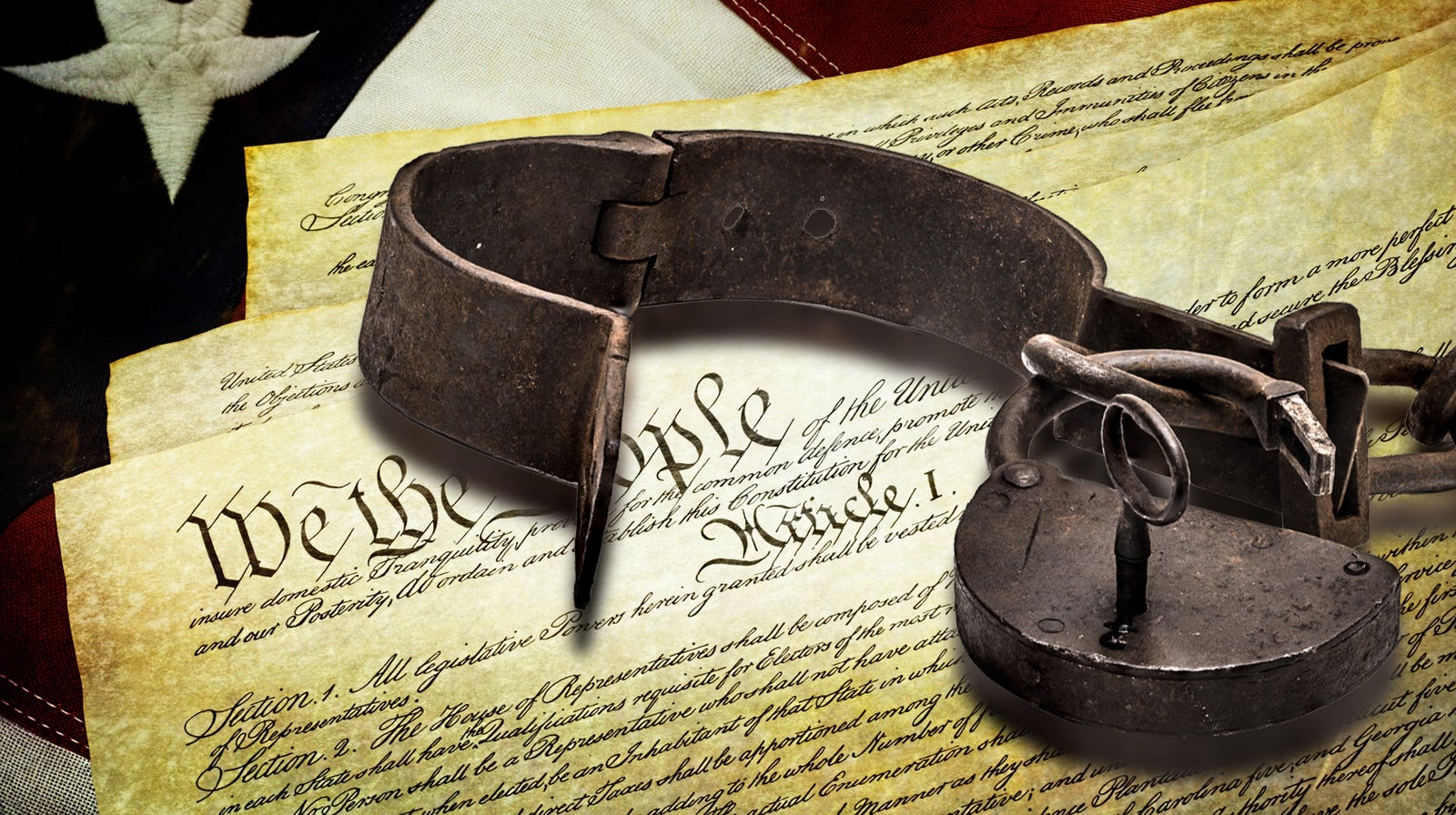
The Electoral College has long defined American presidential elections by allowing candidates to win the presidency without securing the national popular vote. Democratic leaders now have a direct legislative path to bypass this system entirely.
The recent midterm elections have created a viable route to ensure the national popular vote winner takes the presidency, potentially starting as early as 2028. This marks a significant shift in the mechanics of American elections and opens a new front in the battle over voting power.
The vehicle for this electoral transformation is the National Popular Vote Interstate Compact.

The Interstate Compact Explained
Participating states formally agree to award all their electoral votes to the presidential ticket that wins the most votes nationwide.
State officials will pledge their electors to the national winner even if a different candidate carries their specific state. The agreement features a built-in delay mechanism and activates only when the coalition collectively holds at least 270 electoral votes.
Two hundred seventy is the precise threshold required to elect a president under the current constitutional framework. Participating states will continue to award their electoral votes based on individual state results until the compact reaches that magic number.
Eighteen states and Washington, D.C., have already enacted the necessary legislation to join the agreement. These jurisdictions currently represent 222 total electoral votes, leaving the coalition exactly 48 votes short of full activation.
The Midterm Map Realigned
Recent elections completely altered the mathematical reality surrounding this legislative effort. Democratic candidates captured full control of the statehouse and the governor’s mansion in five states that have not yet joined the compact.
Pennsylvania, Michigan, Arizona, Wisconsin, and Nevada represent the exact missing pieces required to cross the finish line. These five critical states collectively hold 61 electoral votes.
Legislative victories in just a few of these jurisdictions guarantee the compact reaches its required threshold. Pennsylvania alone offers 19 electoral votes, while Michigan brings 15.
Wisconsin controls 10 highly contested votes, Arizona provides 11, and Nevada holds 6. The coalition would reach 283 electoral votes if lawmakers successfully add all five of these newly aligned states, comfortably exceeding the activation target.
🚨 Ending conservative minority rule takes relentless voices willing to call out their rigged system. If you want to fund independent journalism dedicated to crushing MAGA’s unfair advantages, please consider subscribing today.
Subverting the Constitutional Gridlock
An official constitutional amendment remains the only way to outright abolish the Electoral College, which demands a two-thirds majority in Congress and ratification by three-fourths of the states. Republican lawmakers staunchly defend the current system and possess the numbers to block any formal constitutional changes.
Democratic leaders are instead utilizing the existing constitutional framework to change how electors are awarded. The U.S. Constitution grants state legislatures exclusive authority over the allocation of their electoral votes.
This interstate agreement leverages that specific constitutional provision to override the traditional regional outcomes. Pennsylvania, Michigan, Wisconsin, and Nevada alone would push the coalition to 272 electoral votes without requiring a single Republican vote.
Arizona provides a strategic backup route if legislation stalls in one of the other battleground states. State legislators hold complete authority to secure this milestone independent of federal gridlock.
The Approaching Legal War
State laws passing represent merely the opening salvo in what promises to be a brutal legal war. Conservative groups and Republican state attorneys general will undoubtedly launch aggressive litigation to block the compact.
Legal challenges will center on the Compact Clause of the U.S. Constitution, which prohibits states from entering into agreements with one another without congressional consent. Proponents of the popular vote argue consent is unnecessary because the compact does not threaten federal supremacy.
Opponents strongly disagree and plan to demand formal congressional approval. The legislation passing does not guarantee the system will survive these judicial hurdles to become operational by 2028.
Both sides are preparing for a generational legal showdown over the mechanics of American democracy.
The Path to 2028
New state majorities officially take office in 2027, starting the legislative clock. Each participating state must actively draft, debate, and enact its own specific legislation to join the coalition.
Democratic control of these statehouses does not automatically guarantee unanimous internal support for the measure. State-level leaders must navigate internal party politics and competing legislative priorities to get these bills signed.
Discussions are already underway regarding this strategy, though the additional electoral votes remain uncommitted for now. The Electoral College will still technically elect the president even if the compact succeeds.
Participating states will simply use that formal mechanism to enforce the national popular vote. Democratic lawmakers now face intense pressure to finalize this structural shift and reshape American presidential elections forever.
🚨 This blueprint is free to read, so share it liberally to remind voters that we finally have the legislative tools to crush right-wing minority rule once and for all.
🤞🙏🤞🙏🤞🙏🤞🙏🤞
I'll believe it when I see it. I think they're going to come up with reasons for not doing it. I hope I'm wrong but I won't hold my breath waiting for them to do something politically earth shattering and great for democracy. 🫤